

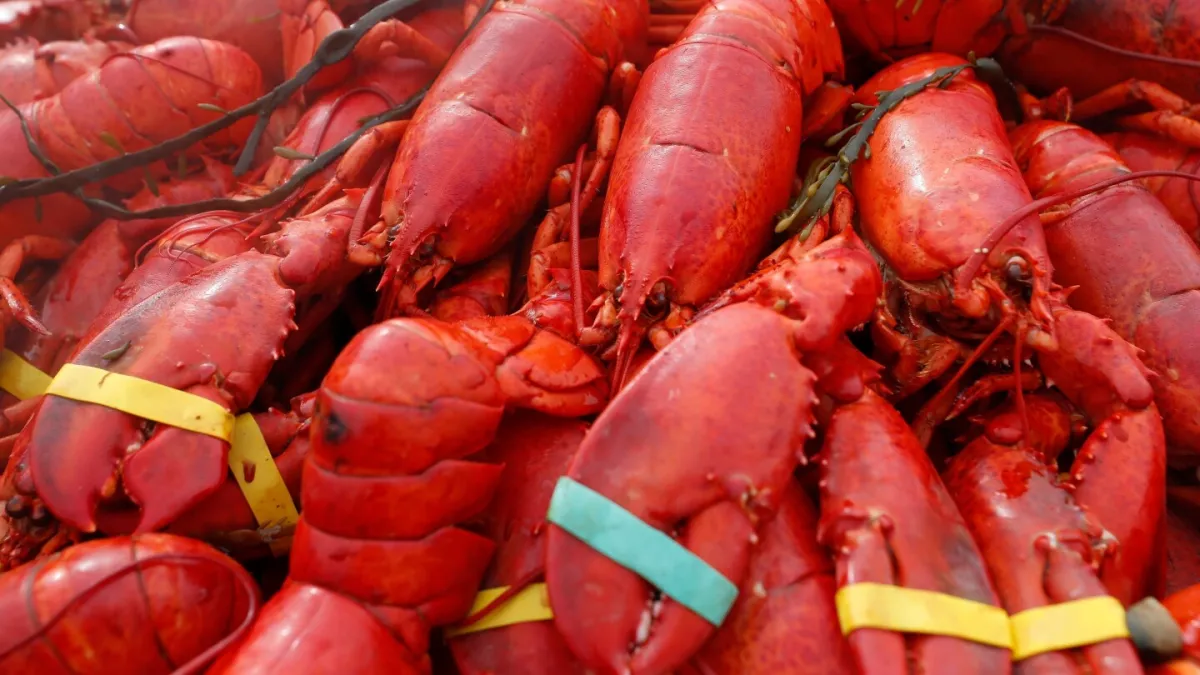
$400,000 worth of oysters, crab and lobster meat stolen in New England
CONCORD, N.H. (AP) — Just imagine the buffet.
Forty thousand oysters, $400,000 worth of lobsters and a stash of crab meat were stolen in separate incidents in recent weeks in New England.
The first shellfish disappeared Nov. 22 in Falmouth, Maine, where authorities suspect someone stole 14 cages full of oysters from a aquaculture farm in Casco Bay. Many of the oysters were fully grown and ready for sale and, along with the cages, were worth $20,000, according to the Maine Marine Patrol.
“It's a devastating situation for a small businessman,” said Marine Patrol Sergeant Matthew Sinclair.
The other two thefts occurred in Taunton, Massachusetts, about 160 miles (255 kilometers) away. First, a shipment of crab meat disappeared after leaving the Lineage Logistics warehouse on December 2. Ten days later, a fake shipping company stole lobster meat destined for Costco stores in Illinois and Minnesota, according to the broker who arranged the delivery.
“The carrier we hired posed as a real carrier,” Dylan Rexing, CEO of Rexing Companies, stated Tuesday. "They had a fake email address. They changed the name on the side of the truck. They made a fake certified driver's license. It is a very sophisticated crime.”
Lineage Logistics, Costco and Taunton Police did not respond to requests for comment, but Rexing said police informed him about the theft of crab from the same warehouse.
Stay up to date with the news and the best of AP by following our WhatsApp channel.
Follow on
That type of cargo theft has been a problem for more than a decade, he said, but it has gotten worse in recent years.
“This happens every day, several times a day,” he said.
Cargo theft generally falls into two categories, explained Chris Burroughs, president and CEO of the Association of Transportation Intermediaries, a trade organization for the freight brokerage industry. Lobster theft fits into the first type, which involves someone posing as a legitimate shipping company. The second type, known as strategic theft, often involves using phishing emails to access computer systems and receive a payment without actually stealing the product.
“This is a massive, growing problem that needs to be addressed,” he said.
Given its short shelf life, the stolen lobster likely ended up in restaurants, the pair said. And while he's seen plenty of jokes about stealing butter to go with lobster, Rexing said such thefts end up hurting consumers.
“Whether you eat seafood or not, they're stealing other things, too. The parts are stolen to build your cars. Parts that go into computers are stolen," he said. "Ultimately, that cost is passed on to the consumer."
__
This story was translated from English by an AP editor with the help of a generative artificial intelligence tool.